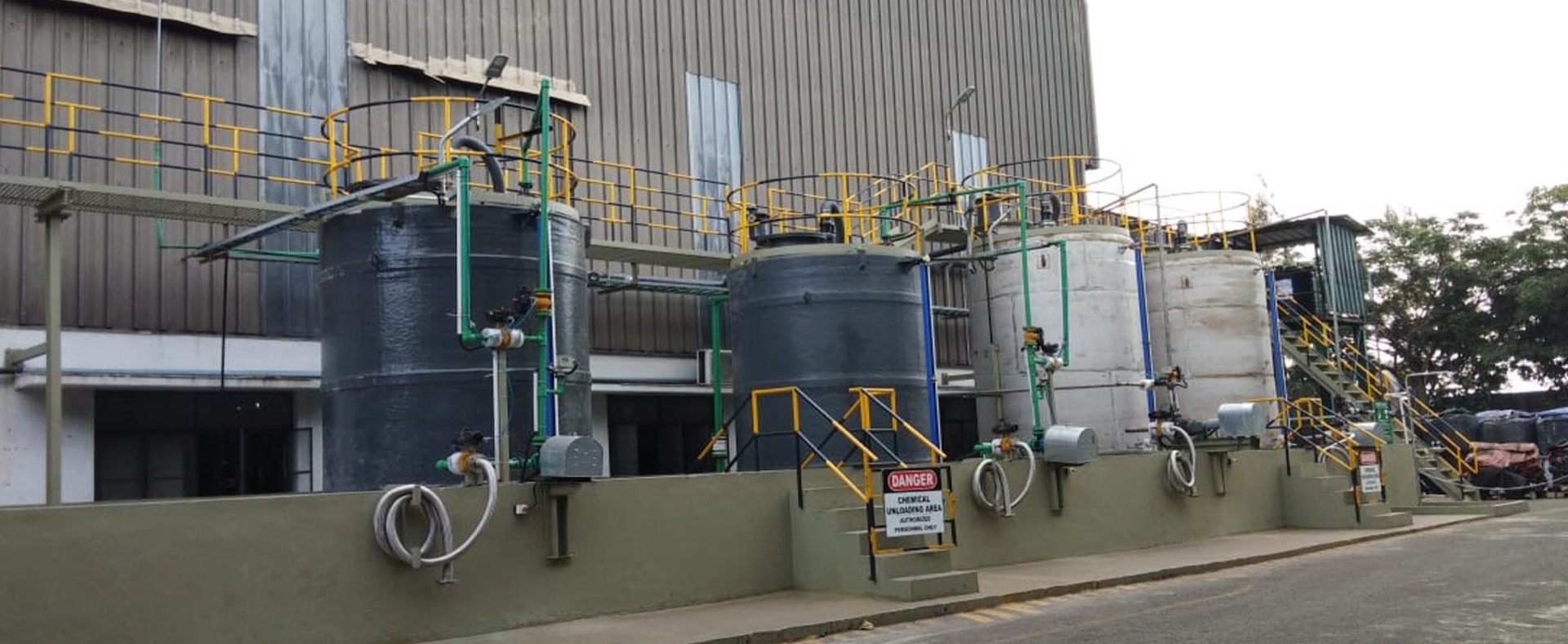
Chemical handling

Acid handling systems

Safe storage, dosing and fume control for the most aggressive chemicals: hydrochloric acid, hypochlorite, caustic soda and sulphuric acid.

Overview

Complete chemical storage & dosing systems

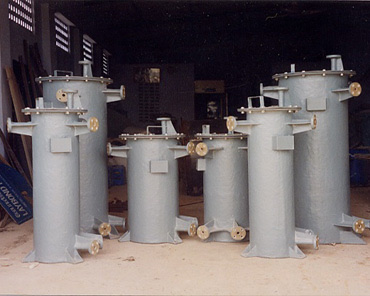
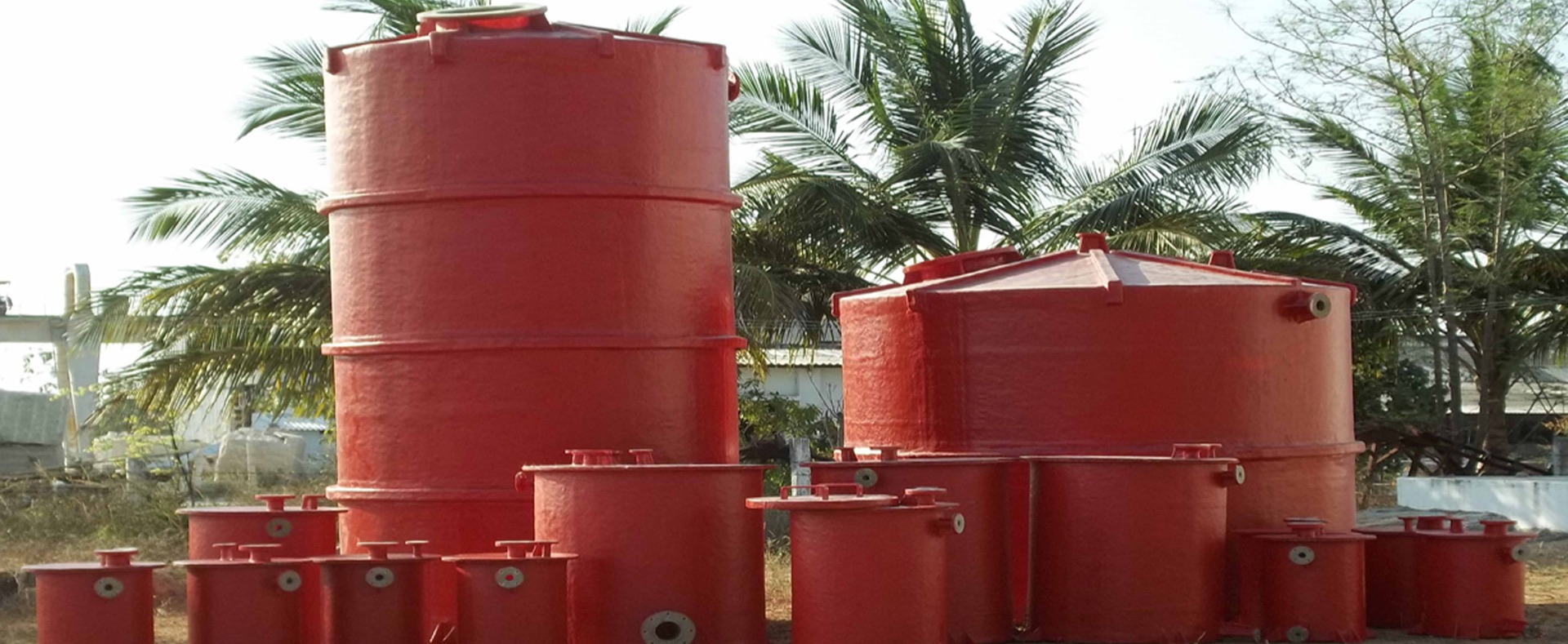
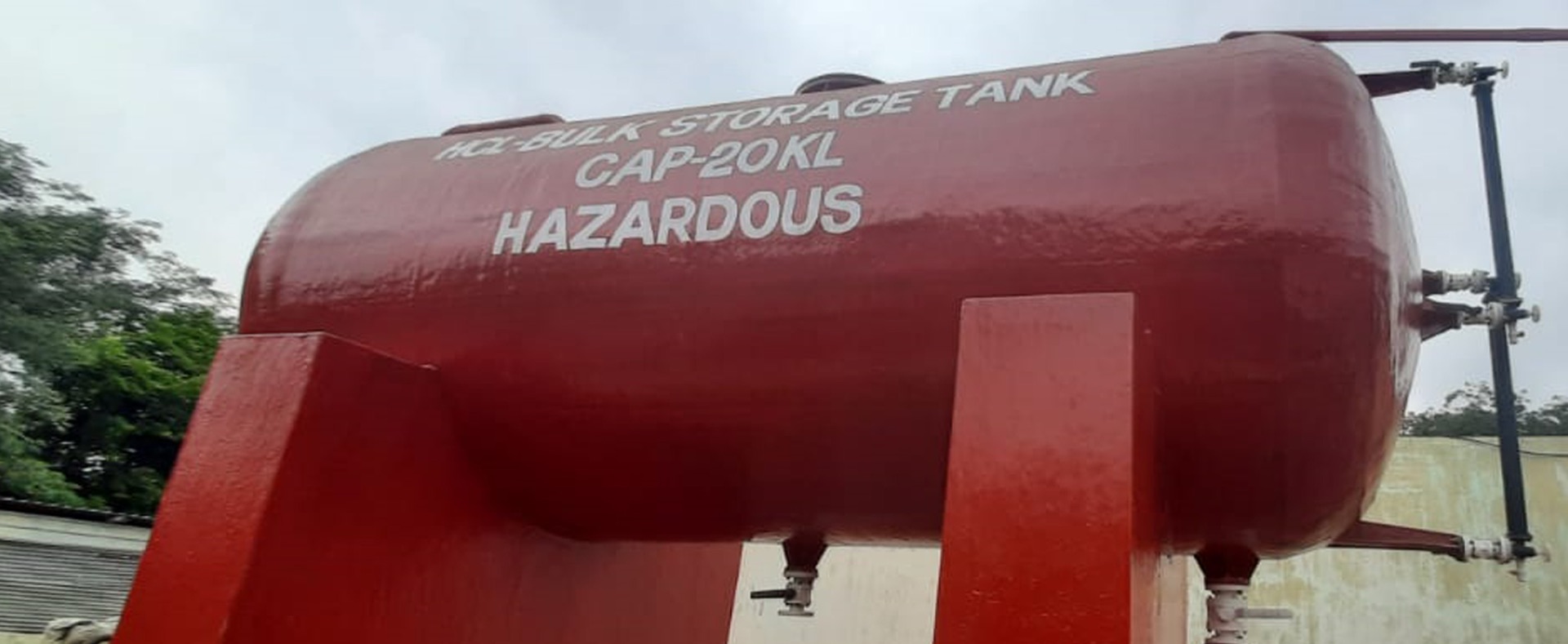
We design and build complete acid and chemical handling systems from 1 m³ to 300 m³. Tanks up to 50 m³ are shop-fabricated; larger tanks are built on site.

Each system is engineered around the specific chemical, concentration and temperature, from tank material, gaskets and fasteners to the scrubbers, pumps and safety equipment around it.

Capacity
1 – 300 m³
Shop-built up to
50 m³
Acid handling system
Chemistry-specific design

Systems by chemical

Every chemical presents a different challenge. Here is how we engineer for four of the most common.

HCl

Hydrochloric acid handling system

Controlling a chemical and its fumes

Also known as muriatic acid. Its very low pH makes it highly corrosive, and its toxic fumes attack surrounding equipment and can be fatal if inhaled. Fuming also makes maintenance difficult. The answer is a corrosion-resistant tank tied into a fume scrubber.

Key hazards

  • Very low pH; highly corrosive
  • Toxic fumes that degrade nearby equipment
  • Fumes can be fatal
  • Maintenance complicated by fuming
ParameterSpecification
Concentration≥ 37% HCl
Specific gravity1.16
Tank materialFRP – vinyl ester (FRVE)
GasketsNeoprene / EPDM
FastenersSS 316
NaOCl

Sodium hypochlorite handling system

An aggressive oxidiser that presents a major storage challenge

Widely used to disinfect drinking water and wastewater. Three factors make storage difficult: UV degradation, transition metals (nickel, iron, copper) that cause off-gassing, and its strong oxidising nature. Our tank systems are designed to meet NSF/ANSI Standard 61.

Key hazards

  • Degrades under UV light
  • Transition metals (Ni, Fe, Cu) cause off-gassing
  • Strong oxidiser
ParameterSpecification
Concentration9 – 15% NaOCl
Specific gravity1.20
Tank materialCPVC / PVC / PP dual laminate
GasketsPTFE (Teflon) / Viton / EPDM
FastenersSS 316
NaOH

Sodium hydroxide (caustic soda) system

Defying a chemical that “finds” leaks

Used for pH control and in countless manufacturing processes. Caustic soda is notorious for finding any weakness in a joint. It is extremely corrosive to body tissue, toxic if swallowed, and crystallises if the temperature drops.

Key hazards

  • Prone to finding and causing leaks
  • Extremely corrosive to body tissue
  • Toxic if swallowed
  • Crystallises at low temperatures
ParameterSpecification
Concentration50% NaOH
Specific gravity1.52
Tank materialCPVC / PVC dual laminate
GasketsEPDM
FastenersSS 316
H2SO4

Sulphuric acid handling system

Challenging a tank's strength and design safety

Very heavy, which puts high loads on tank walls and supports. Diluting it is strongly exothermic: water added to concentrated acid can cause aerosols or even an explosion. It generates hydrogen gas in contact with metals and causes serious burns.

Key hazards

  • Very high density; high structural loads
  • Violently exothermic on dilution
  • Hydrogen gas risk with metals
  • Causes severe burns
ParameterSpecification
Concentration≥ 93% H2SO4
Specific gravity1.85
Tank materialMS / CPVC
GasketsViton®
FastenersGI / SS 316
Accessories

Everything around the tank

We supply and integrate the complete system for safe, compliant chemical handling.

  • Secondary containment
  • Acid-proof lining
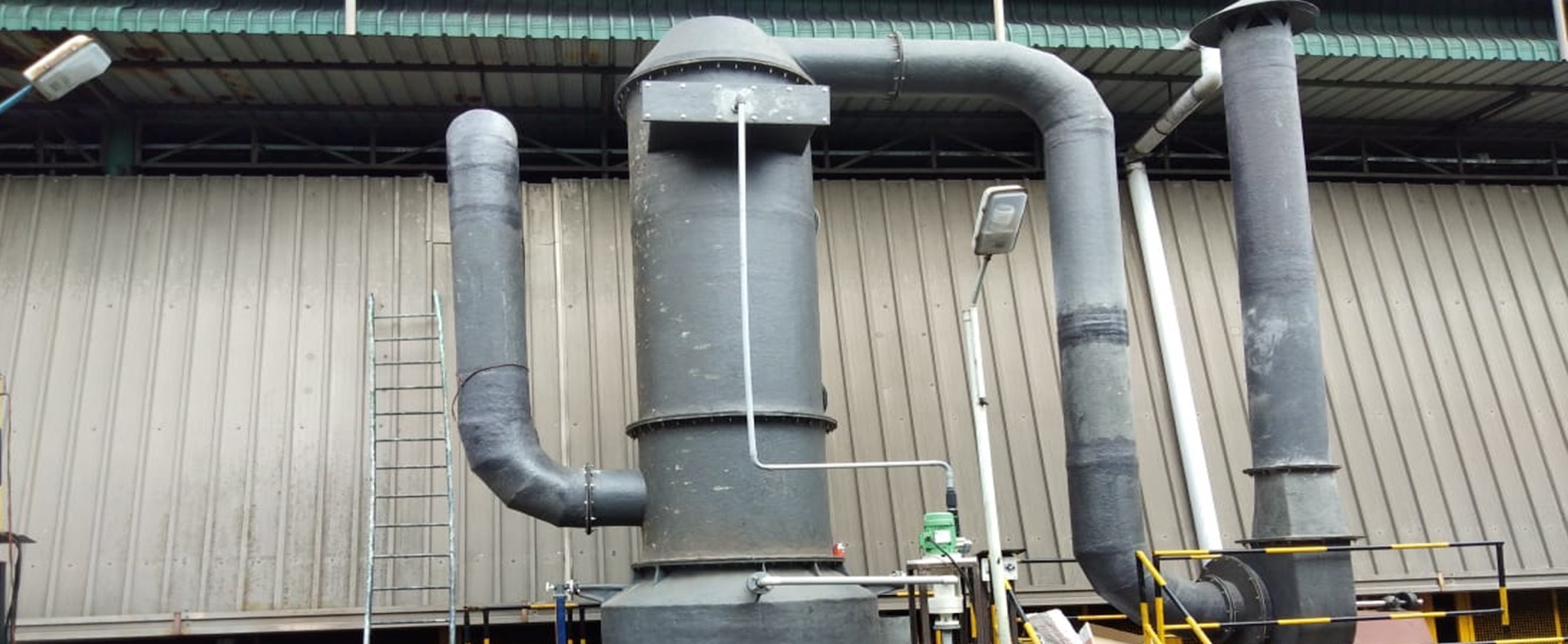
  • Fume scrubbers / breathers
  • Transfer & dosing pumps
  • Day tanks
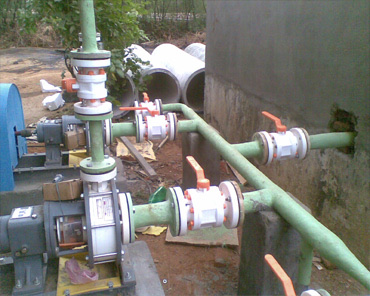
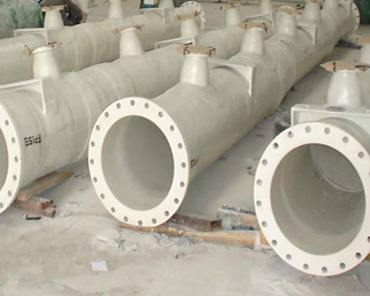
  • Interconnecting pipes & valves
  • Ladders & railings
  • Level indicators
  • Safety showers
  • Motor covers
Dosing skid
Containment & scrubber
Materials

Resin systems & dual laminate

We build to customer specification using polyester, bisphenol and vinyl ester thermoset resins. Where FRP alone will not work, a dual-laminate construction usually will.

What is dual laminate?

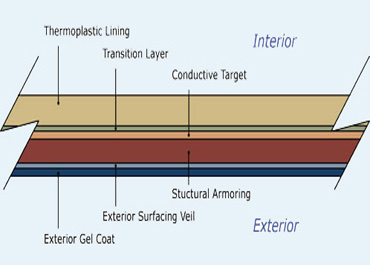
A hybrid construction: a strong fibreglass composite structure on the outside and a specialised thermoplastic liner on the inside. The liner is chosen to match the specific chemistry for maximum service life.

  • Mechanical strength of an FRP composite exterior
  • Corrosion-resistant thermoplastic interior for hazardous chemistry
  • High-temperature and abrasion resistance
  • Resists leaching agents and chemical attack
  • Suitable for high-purity processes

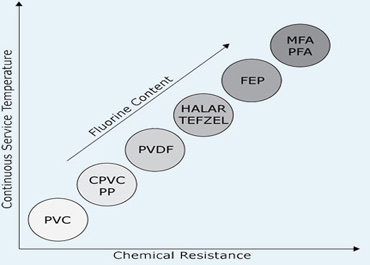
Liner options: PVC · CPVC · PP · HDPE and others, selected per chemical. See our thermoplastic corrosion chart.

Dual laminate section
Liner options

Have a corrosion challenge?

Tell us the chemical, concentration, temperature and volume. Our engineers will recommend the right FRP or dual-laminate solution and send you a detailed quote.